Laser Hair Removal Burns are one of the most common safety concerns among people considering this increasingly popular cosmetic procedure. Globally, laser hair removal ranks among the top 5 non-surgical aesthetic treatments with millions of sessions performed every year.
Laser hair removal procedure is generally safe, studies suggest that minor side effects such as redness or superficial burns occur in a small percentage (around 3-5%) of cases, often due to improper technique or incorrect laser settings. An interesting fact you don’t know is that laser devices must be adjusted according to skin tone and hair thickness-using the wrong wavelength on darker or recently tanned skin significantly increases the risk of burns.
Its may appear as redness, blisters or dark pigmentation patches laser removal area. Most are temporary, but without proper care, they can lead to prolonged discoloration. Understanding the risks helps ensure safer, more confident treatment decisions.
It is a skin injuries that occur when the laser’s heat damages not only your hair follicle but also your surrounding skin. During the procedure, a concentrated beam of light targets melanin (pigment) in your hair. If the settings are too strong your skin absorbs excessive heat, leading to redness, blisters or even scarring.
These burns can range from mild (redness, irritation, swelling) to severe (blisters, dark patches or lasting scars) depending on your skin type for example, if you have sensitive skin, you may face a higher risk of irritation, pigmentation changes or delayed healing, as well if you have darker skin tones are often more prone to burns because your skin contains more melanin, which absorbs laser energy very easily.
In simple terms, a laser hair removal burn is like a sunburn caused by concentrated heat. While most cases heal with proper care, knowing the signs early and following the right treatment makes a huge difference in preventing permanent damage.
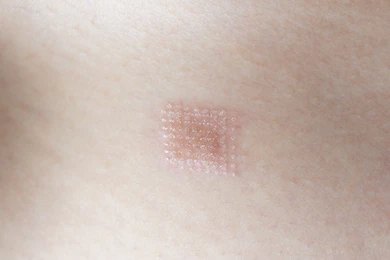
Laser hair removal is considered safe and effective, but sometimes it can lead to unwanted side effects like burns. These burns not only cause discomfort but may also affect skin appearance and confidence if proper after care and precautions aren’t taken.
Improper machine settings – Every individual’s skin type and hair thickness require different laser wavelengths and intensities. When the settings are too high or mismatched, your skin type rather than just the hair follicle absorbs excess heat, it may burn your skin.
Untrained or inexperienced technicians – One of the most common laser burns causes is human error. A technician who lacks training or experience may mishandle the device, overlook safety protocols or skip essential patch testing.
Skin type and sensitivity issues – The Fitzpatrick skin scale categorizes skin types from very fair to very dark. Darker skin has more melanin, which absorbs laser light more easily, increasing the risk of burns. Even those with sensitive or recently tanned skin may experience stronger side effects.
Sun exposure before or after treatment – Skin that is sunburnt, tanned or recently exposed to UV rays is already fragile. Exposing such skin to laser light makes burns more likely. Similarly, skipping sun protection after a session can worsen side effects.
Use of incorrect cooling methods – Cooling devices or gels are used to protect the skin during treatment. If skipped, applied incorrectly or replaced with poor substitutes, the risk of burns increases significantly.
In short, most laser hair removal side effects, especially burns, are linked to poor technique, lack of personalization or neglecting proper skin preparation. Choosing the right professional and following recommended precautions greatly lowers the chances of burns.
Laser hair removal is generally safe, but sometimes the skin may react unexpectedly. Knowing how to spot unusual changes early can protect your skin’s health and ensure proper care before the damage worsens
- Redness, swelling and itching – These are the most common initial signs. While mild irritation may be normal, worsening discomfort may indicate a burn.
- Blisters or peeling – Small fluid-filled blisters or skin that begins to peel suggest a more severe burn that requires attention.
- Hyperpigmentation or dark patches – You may notice brown or black spots after burns. These occur when excess melanin is produced during healing.
- Pain or heat sensation on treated skin – A lingering burning or stinging feeling after treatment is often the body’s way of signaling tissue damage.
Although minor redness usually fades within hours, signs of laser hair removal burn that persist for days or worsen should not be ignored. Identifying symptoms early helps in taking the right first-aid steps and seeking medical help if necessary.
If you experience hair laser burn, taking the right steps immediately can make a huge difference in your healing and preventing long-term damage. Here are the most effective first aid treatments for laser burns:
- Cool Compress (Not Ice Directly): Applying a soft, clean towel soaked in cold water can help reduce redness, swelling and discomfort. Avoid direct ice as it can worsen your skin irritation.
- Aloe Vera or Soothing Gel: Aloe vera gel is one of the most common laser burn treatment remedies. It calms the skin, hydrates the affected area and supports faster recovery. You can also use soothing creams recommended by Skin specialist.
- Keep the Area Clean and Moisturized: Use a gentle cleanser to prevent infection and apply a light moisturizer to keep the skin barrier intact. Avoid harsh products, scrubbing or chemical-based creams.
- When to Seek Medical Attention: If you notice blistering, pus formation, severe pain or pigmentation changes, consult a Skin specialist immediately. They will prescribe you medicine or lotion for this, Professional guidance ensures proper treatment and reduces the risk of permanent scarring.
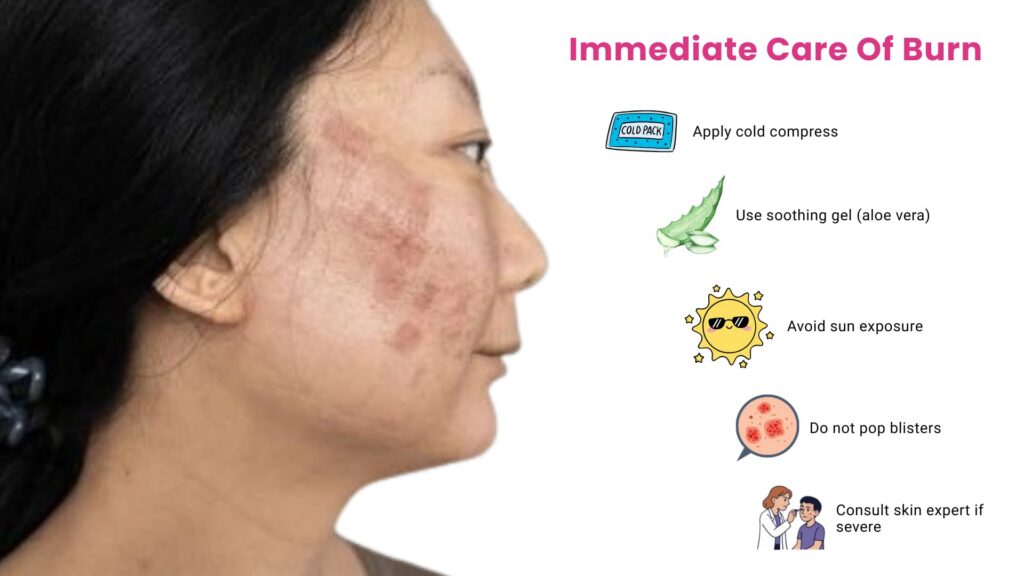
After doing all quick home remedies if you’re not seeing any improvement in scars of burn, dark patches or uneven skin tone. In such cases, long-term treatments may be required.
Here are common Skin specialist -recommended solutions:
MNRF Treatment for Acne and Scars
MNRF treatment stimulates collagen deep within the skin, helping reduce scar depth and texture irregularities. It promotes natural skin regeneration, restoring smoother, healthier skin over several sessions while improving overall tone and resilience.
Mesotherapy for Acne and Scars
Mesotherapy treatment delivers vitamins, minerals and active compounds directly into the skin. This helps fade pigmentation, encourages cell repair, improves texture and enhances skin tone, making scars less visible while promoting a rejuvenated, refreshed appearance over time.
PRP Treatment for Acne and Scars
PRP uses the patient’s own platelets to stimulate healing and collagen production. PRP treatment uses the you’re own platelets to stimulate healing and collagen production. It reduces scar visibility, improves skin texture, restores elasticity and rejuvenates the skin for a healthier, more radiant complexion naturally over a few sessions.
Derma Roller for Acne Scars
Its creates tiny micro-injuries in the skin that trigger collagen production. Derma roller treatment helps smooth out uneven texture, reduces scar depth, enhances skin elasticity and promotes gradual improvement in overall skin tone and firmness.
Chemical Peel for Acne and Scars
Chemical peel exfoliates damaged top layers of skin, reduces pigmentation and smooths texture. It promotes natural skin regeneration, improves clarity and reveals healthier, brighter skin while minimizing the appearance of stubborn scars over multiple sessions.
Exfoliation for Acne and Scars
Its removes dead skin cells and unclogs pores, reducing visible marks. Combined with active skincare, exfoliation improves texture, promotes cell turnover, brightens the skin and enhances the effectiveness of other treatments for clearer, smoother and healthier skin.
Q-Switch Laser for Acne and Scars
Q-Switch laser targets deep pigmentation and scar tissue, breaking it down effectively. Q- Switch laser treatment stimulates skin regeneration, reduces discoloration and restores an even skin tone, leaving the skin smoother, rejuvenated and clearer over a series of sessions.
Medifacial for Acne and Scars
Medifacial combines deep cleansing, hydration and active ingredients to improve skin texture. It reduces pigmentation, minimizes marks, enhances radiance and restores a refreshed, healthy glow while supporting the skin’s natural repair processes over time.
Early and consistent care is key to preventing long-term scarring and restoring healthy skin.
Need solutions for laser hair removal burns ?
Soothe and heal your skin with expert care for laser hair removal burns. Get safe, effective solutions to reduce discomfort and prevent scars.
Laser hair removal is generally safe and works well for long-term hair reduction. However, avoiding burns depends on proper care and preparation. By following simple precautions before and after your sessions, you can reduces the risk of skin damage, protect your skin and enjoy smoother, safer results throughout your treatment journey.
| Prevention Tip | Why It Matters |
| Choose a Qualified Skin Specialist/Clinic | Certified experts ensure correct technique, reducing the chances of burns. |
| Do a Skin Patch Test | Helps predict how your skin will react to the laser, avoiding unexpected damage. |
| Avoid Sun Exposure & Tanning | Sunburned or tanned skin is more vulnerable to burns; sunscreen adds protection. |
| Follow Proper Aftercare Routine | Hydration, aloe vera and gentle care prevent irritation and promote healing. |
| Match Laser Settings to Skin Type | Correct laser choice and settings ensure safe, effective results for your skin tone. |
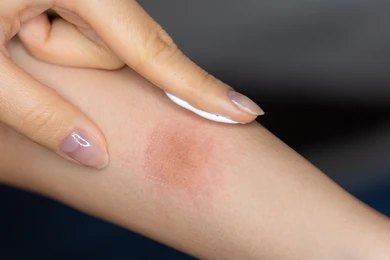
Laser hair removal has become a very popular choice in India if you want smooth, hair-free skin without the hassle of shaving or waxing again and again. But like any cosmetic procedure, it is not completely risk-free. One of the most common concerns people face is laser hair removal burns, which can range from simple redness and irritation to more serious issues like blisters, dark patches or even scars
The good news is that in most cases, these burns are preventable. By choosing a qualified skin specialist, following pre- and post-care instructions and being aware of your own skin type, the chances of burns reduce drastically. Even if burns occur, quick first aid and timely medical help make recovery much easier. For stubborn scars or pigmentation, advanced treatments like PRP or chemical peels can restore skin health over time.
At the end of the day, safety should always come first. Laser hair removal can give excellent, long-lasting results, but only when done with the right care. Protect your skin, take precautions and you can enjoy the benefits without worry.
How to get rid of laser burn marks?
Laser burn marks can be reduced using topical creams, aloe vera gel, chemical peels or skin specialist treatments like microneedling and laser resurfacing. Proper aftercare and consulting a skin specialist ensure faster healing and minimal scarring.
Can burn marks be removed?
Yes, laser hair removal burns marks can be removed or significantly reduced with treatments like laser therapy, chemical peels and advanced scar reduction procedures. Natural remedies may help mild scars, but professional care ensures better and long-lasting results.
What are the laser hair removal side effects?
Common side effects include redness, swelling, temporary irritation and mild discomfort. Rarely, burns, pigmentation changes or scarring may occur. Choosing a qualified specialist and following proper aftercare greatly minimizes risks and ensures a safe experience.
Is laser hair removal permanent hair removal?
Laser hair removal offers long-term reduction but not 100% permanent removal. Multiple sessions are required for best results. Hair may regrow finer and lighter and maintenance sessions help in achieving smoother, long-lasting results.
What is the laser treatment for burn scars cost?
The this treatment varies depending on severity, location and clinic. In India, it ranges between ₹3,000–₹10,000 per session. Multiple sessions are usually required for noticeable improvement and long-lasting scar reduction.
How to treat burn scars on face?
Laser burns on face should be treated quickly with cold compresses, soothing ointments and medical guidance. Avoid sun exposure and harsh products until healed to reduce scarring and speed recovery.