Do open pores on your face make your skin look uneven or oily, no matter how much you care for it? You’re not alone. Open pores are one of the most common skin concerns in 2026, especially if you have oily or combination skin. According to surveys, nearly 60–70% of adults experience visible or enlarged pores at some point, and the problem often increases with age, sun exposure, and improper skincare.
Open pores usually appear on areas like the nose, cheeks, and forehead, making makeup settle unevenly and skin look dull. You may wonder, how to close open pores on face?, or which treatments actually work.
First think you need to understand that open pores are a natural part of your skin but if your getting affected and feel underconfident then with the right care, home remedies, and advanced treatments you can minimize it.
Open pores are tiny openings on the surface of your skin that release sweat and natural oils (sebum) from the sebaceous glands. These pores are essential for keeping your skin hydrated and protected. However, when pores become enlarged or more visible, they are commonly referred to as open pores.
Open pores usually appear larger due to excess oil production, dirt buildup, dead skin cells, or loss of skin elasticity. They are most commonly seen on the nose, cheeks, chin, and forehead, where oil glands are more active. You have open pores because of genetics, aging and many more can make pores look more prominent over time.
It’s important to understand that pores do not actually “open” or “close,” but their appearance can change.
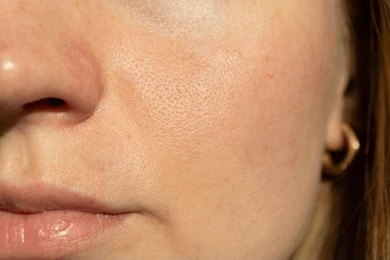
Open pores on the face are a common skin concern and usually develop due to multiple factors working together. Understanding the causes of open pores on the face helps in choosing the right care and treatment.
Below are the most common reasons explaining of open pores on face.
Excess Oil and Oily Skin
Excess sebum production is one of the main causes of open pores on the face. When oily skin produces too much oil, it mixes with dirt and dead skin cells, stretching the pores and making them appear larger, especially on the nose, cheeks, and forehead.
Acne and Post-Acne Damage
Frequent acne breakouts clog pores and stretch them over time. Picking or squeezing pimples damages surrounding skin tissue, leading to permanently enlarged pores. Post-acne scars further worsen the appearance of open pores.
Ageing and Loss of Collagen
As skin ages, collagen and elastin levels decline. This loss of firmness causes your skin to sag, making pores look wider and more noticeable. Ageing is a natural but important cause of open pores.
Sun Damage and Pollution
Long-term sun exposure weakens collagen fibers and thickens the outer skin layer, increasing pore visibility. Pollution settles into pores, clogging them and contributing to enlarged pores over time.
Wrong Skincare Habits
Using harsh products, skipping cleansing, sleeping with makeup on, or not exfoliating properly can clog pores. These poor habits are common causes of open pores on face, especially when skincare is inconsistent.
Open pores are not always permanent, but they also cannot completely disappear. Pores are a natural part of your skin structure, and everyone has them. However, when pores appear enlarged, it is usually due to factors like excess oil, acne, ageing, sun damage, or poor skincare habits.
With my years of experience guiding clients on skincare, I’ve seen that with the right routine, enlarged pores can be significantly minimized. Regular cleansing, gentle exfoliation, oil-control products, and collagen-boosting treatments help tighten your skin and improve pore appearance. Professional treatments can further enhance skin texture and elasticity, giving visible, long-lasting results.
That said, pores cannot be “closed” permanently. Their appearance may return if underlying causes like oily skin, acne, or sun exposure are not managed properly. Consistency in skincare and sun protection plays a key role in long-term results.
In simple terms, open pores can be controlled, reduced, and improved, but they require ongoing care rather than a one-time solution.
Cleaning open pores properly is essential to prevent dirt, oil, and bacteria from settling deep into your skin. Start with a gentle cleanser suited to your skin type. Wash your face twice daily to remove excess oil, makeup, and pollution without stripping natural moisture.
Follow cleansing with lukewarm water, as very hot water can increase oil production and make pores look larger. Using a mild exfoliator one to two times a week helps remove dead skin cells that clog pores. Avoid harsh scrubs, as they can irritate your skin and worsen pore appearance.
A clay or charcoal mask once a week is effective for deep pore cleansing. These masks absorb excess oil and pull out impurities, leaving pores cleaner and less visible. After cleansing or masking, apply a non-comedogenic toner to help tighten your skin and balance oil levels.
Always finish with a lightweight, oil-free moisturizer to keep your skin hydrated. Skipping moisturizer can actually increase oil production, leading to clogged pores. Regular sunscreen use is also important, as sun damage weakens skin structure and makes pores appear larger. Consistent care keeps pores clean and refined.
With my years of experience helping clients improve their skin, I’ve seen that reducing open pores naturally focuses on controlling excess oil, keeping pores clean, and improving skin elasticity. While pores cannot disappear completely, consistent natural care can help shrink open pores naturally and make skin look smoother and healthier.
Below are effective, safe methods you can easily follow at home.
Ice Therapy
Ice helps tighten skin instantly and reduces excess oil secretion. Wrap an ice cube in a clean cloth and gently dab it on areas with open pores for 15-20 seconds. Regular use improves skin firmness and temporarily minimizes pore size.
Aloe Vera Application
Fresh aloe vera gel deeply hydrates your skin and improves collagen health. Apply a thin layer on clean skin, massage gently, and leave it overnight. This is one of the best ways to fix open pores naturally without irritation.
Clay Masks & Cooling Ingredients
Clay-based masks absorb oil and remove impurities trapped inside pores. Ingredients like kaolin or bentonite clay help refine skin texture when used once a week.
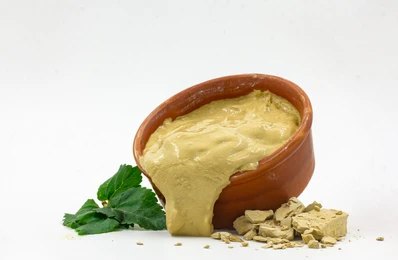
Multani Mitti Pack
Multani mitti for open pores is highly effective for oily and acne-prone skin. Mix it with rose water, apply evenly, and rinse once semi-dry. It cleans pores deeply and reduces oiliness.
Egg White Mask
Egg white tightens skin naturally. Apply a thin layer, let it dry completely, and wash off. It helps firm skin and reduce visible pores.
Tomato & Lemon (Safe Usage)
Tomato pulp helps control oil, while lemon improves clarity. Always dilute lemon with water and do a patch test to avoid irritation.
Cucumber & Rose Water
This soothing combination cools your skin, controls oil, and refreshes pores, making them appear smaller with regular use.
If home remedies and skincare products are not giving you visible results and you are still wondering how to close open pores on your face, medical treatments can be the right option. These procedures work deeper within the skin to boost collagen, control excess oil, and improve overall skin texture.
When performed by experienced cosmetologist, these treatments are safe, effective, and offer long-lasting improvement. Below are some of the most commonly recommended medical options to treat open pores professionally.
Microneedling for Open Pores
As per my years of experience i can say microneedling for your open pores is one of the most effective treatments. It uses tiny sterile needles to create controlled micro-injuries in your skin, which stimulates natural collagen and elastin production.
As collagen rebuilds, your skin becomes firmer and pores appear smaller. This treatment also improves acne scars and uneven texture. Multiple sessions are usually recommended for best results, with minimal downtime.
Chemical Peel for Open Pores
A chemical peel for open pores involves applying a mild to moderate acid solution (like glycolic, salicylic, or lactic acid) to exfoliate dead skin cells. This helps unclog pores, reduce excess oil, and improve skin renewal. Chemical peels also boost collagen and make skin smoother and brighter. Depending on the peel strength, downtime can range from none to a few days.
Laser Treatment for Open Pores
Laser treatment for open pores works by delivering controlled heat energy into deeper skin layers. This tightens existing collagen fibers and stimulates new collagen formation, leading to refined pores and improved skin texture. Laser treatments are especially beneficial for oily skin, acne scars, and sun-damaged skin. Results are gradual but long-lasting, often requiring multiple sessions for optimal improvement.
Consulting a qualified cosmetologist is essential to choose the right treatment based on your skin type, pore size, and concerns. Professional guidance ensures safe procedures and the best possible results.
Struggling with open pores and uneven skin texture?
Book your personalized consultation today and discover advanced treatments that help tighten pores, smooth skin, and restore a clear, confident glow.
Open pores can be minimized not just with treatments but also by adopting preventive habits. Following a consistent skincare routine, protecting your skin from external damage, and maintaining overall skin health can help keep pores clean, tight, and less noticeable. Prevention is always easier than correction, so simple daily practices can make a big difference.
Maintain a Clean Face
Cleansing your face twice daily removes dirt, excess oil, and impurities that can clog pores. Use a gentle, non-comedogenic cleanser suited to your skin type to prevent pore enlargement. Avoid harsh scrubbing, as it can irritate skin and worsen pore visibility.
Exfoliate Regularly
Exfoliation helps remove dead skin cells and prevents clogged pores. Use mild chemical exfoliants like AHAs or BHAs once or twice a week. Over-exfoliation can damage your skin barrier, so balance is key.
Protect From Sun Damage
UV rays weaken collagen and elastin, causing pores to stretch over time. Apply a broad-spectrum sunscreen daily, even on cloudy days, to protect your skin and prevent premature pore enlargement.
Healthy Lifestyle Habits
Stay hydrated, eat a balanced diet rich in antioxidants, and avoid smoking. Manage stress and get enough sleep, as poor lifestyle habits can increase oil production and make pores more prominent.
If you’re wondering how to close open pores on face?, the key is consistent care and the right treatments. Open pores are a natural part of your skin, but factors like excess oil, acne, aging, sun exposure, and improper skincare can make them more noticeable. With proper care, their appearance can be significantly reduced.
Daily cleansing, gentle exfoliation, and using non-comedogenic products help keep pores clean and prevent them from stretching. Natural remedies like ice therapy, aloe vera, multani mitti, clay masks, and cucumber packs work effectively to shrink open pores naturally while improving skin texture. For faster or deeper results, dermatological treatments like microneedling, chemical peels, and laser therapy can refine pores, boost collagen, and give smoother, firmer skin.
Preventive habits such as sun protection, healthy diet, hydration, and avoiding harsh skincare – also play a crucial role. By combining natural care, home remedies, and professional treatments, you can effectively manage and close open pores on your face, leaving your skin looking fresh, smooth, and radiant every day.
-
How to Close Open Pores on Face Naturally?
To close open pores on face naturally, use ice therapy, aloe vera gel, multani mitti packs, and gentle exfoliation. These methods help tighten skin, control oil, and keep pores clean when followed regularly and consistently.
-
Can Open Pores Be Closed Permanently?
Open pores cannot be closed permanently because pores are a natural part of your skin. However, their appearance can be significantly reduced with proper skincare, sun protection, oil control, and dermatological treatments that improve collagen and skin elasticity.
-
How to Minimize Open Pores on Face?
You can minimize open pores on face by cleansing regularly, exfoliating gently, controlling excess oil, using clay masks, applying sunscreen daily, and following a consistent skincare routine. Professional treatments can further improve skin texture and reduce pore visibility.
-
Is Multani Mitti for Open Pores Effective?
Yes, multani mitti for open pores is effective, especially for oily skin. It absorbs excess oil, removes impurities, and cleans pores deeply. Regular use helps reduce pore visibility and leaves your skin fresh, smooth, and less greasy.
-
Is Laser Treatment for Open Pores Safe and Effective?
Laser treatment for open pores is safe and effective when performed by a qualified cosmetologist. It boosts collagen production, tightens skin, and reduces pore size. Multiple sessions may be required for long-lasting and visible improvement.
-
How to Control Open Pores on Oily Skin?
To control open pores on oily skin, use oil-free cleansers, clay masks, non-comedogenic products, and sunscreen daily. Avoid harsh scrubs and heavy makeup, as they increase oil production and worsen pore appearance.