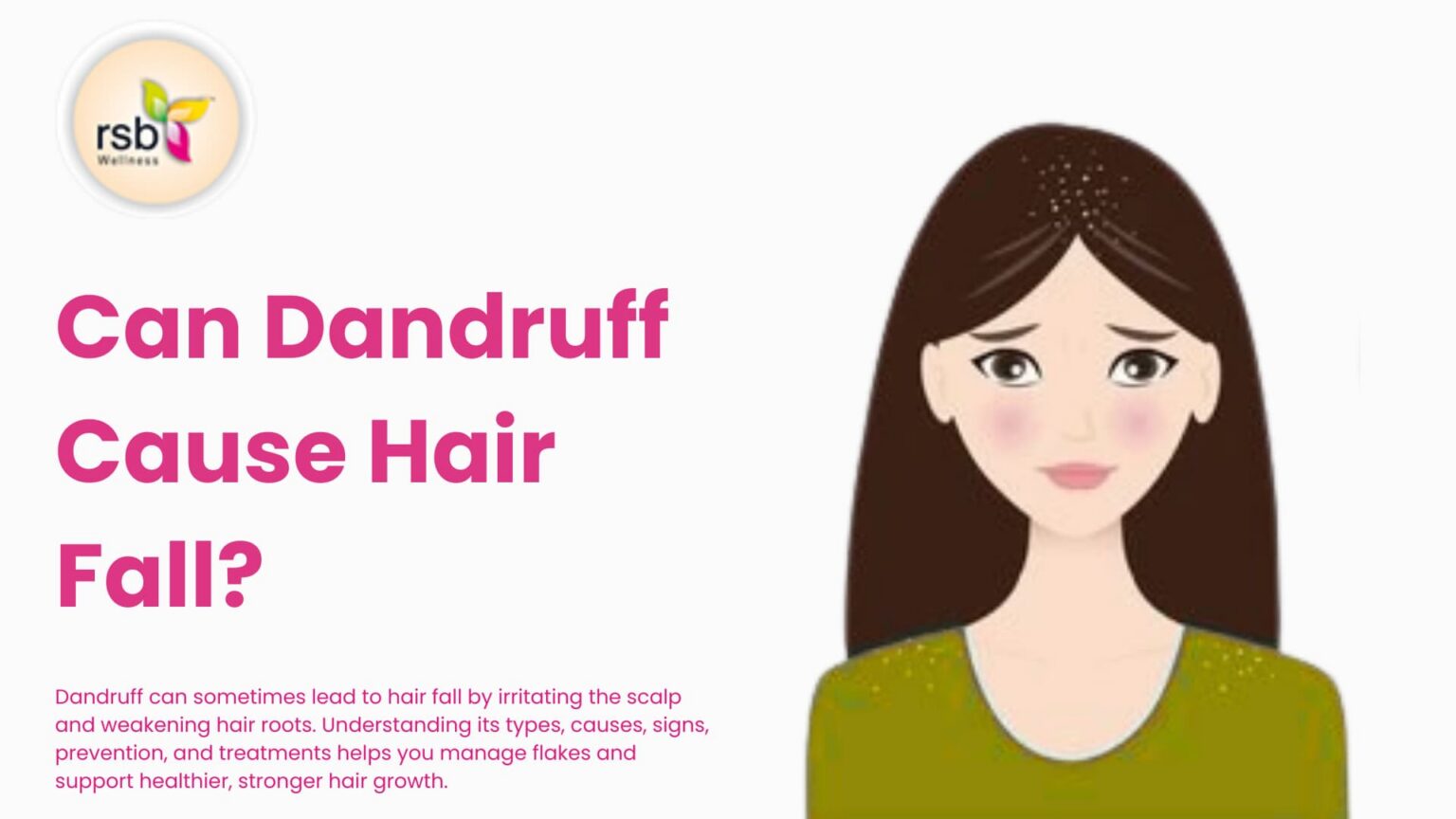
Have you ever noticed white flakes on your shoulders along with increased hair fall? If yes, you may have wondered, can dandruff cause hair fall? This is a common concern, especially in India where pollution, humidity, stress and irregular hair care habits often affect scalp health. According to studies, nearly 50% of adults worldwide experience dandruff and many of them also report dandruff and hair loss occurring together.
In my experience I saw many patients visit the clinic worried about sudden hair shedding along with an itchy, flaky scalp. In several cases, untreated dandruff and continuous scratching irritate your scalp and weaken hair roots, leading to hair fall due to dandruff. While dandruff itself does not directly damage hair follicles, the inflammation and irritation it causes can increase temporary hair shedding.
Dandruff causing hair fall is usually manageable and reversible with proper scalp care and treatment. In this guide, we will explain why dandruff and hair fall are connected, what causes dandruff and how to stop hair fall due to dandruff effectively.
Dandruff is a very common scalp problem where small white or yellow flakes of dead skin appear on your scalp and hair. These flakes often fall on your shoulders and are usually accompanied by itching and mild scalp irritation. It happens when your scalp sheds skin cells faster than normal.
Several factors can lead to dandruff, such as excess oil on your scalp, fungal growth, dry skin, product buildup or not washing the hair regularly. Weather changes, stress and hormonal imbalance can also make dandruff worse. While dandruff is not a serious medical condition, constant itching and scratching can irritate your scalp and sometimes lead to dandruff and hair fall.
The good news is that dandruff is usually easy to manage with the right scalp care and anti-dandruff treatments. Keeping your scalp clean and healthy can help reduce flakes and support better hair health.
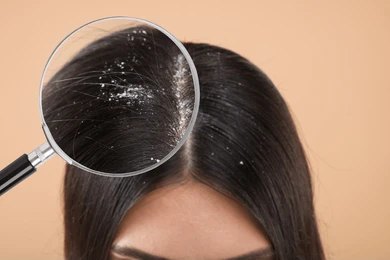
Dandruff does not look the same for everyone. The flakes, scalp condition and symptoms can vary depending on the cause. Understanding the types of dandruff can help you identify what might be affecting your scalp and choose the right treatment.
Dry Skin Dandruff
This type of dandruff usually occurs when your scalp becomes too dry. You may notice small, dry white flakes on your hair and shoulders. It is often more common during winter or when you wash your hair with harsh shampoos.
Oily Dandruff
If your scalp produces excess oil, it can mix with dead skin cells and form yellowish, sticky flakes. This type of dandruff may also cause itching and sometimes scalp irritation.
Fungal Dandruff
Sometimes dandruff is linked to a natural yeast called Malassezia that lives on your scalp. When this fungus grows excessively, it can disturb your scalp balance and cause persistent flakes and itching.
Seborrheic Dermatitis
This is a more severe form of dandruff. Your scalp may become red, oily and covered with thick flakes. In some cases, it can also affect areas like the eyebrows, nose sides and behind the ears.
Struggling with Hair Fall in Winter?
Winter Hair Care Tips for Healthy Scalp and Strong Hair
Dandruff is a common scalp condition that causes flakes, itching, and discomfort. It can affect people of all ages and is often linked to scalp health, hygiene, and lifestyle habits. While it is not serious, persistent dandruff can be annoying and may indicate underlying issues that need proper care and attention.
- Poor Diet – Lack of essential nutrients like zinc, vitamin B, and omega-3 fatty acids can weaken your scalp health, making it more susceptible to dryness, irritation, and dandruff.
- Dry Scalp – When your scalp lacks moisture, it becomes flaky and itchy. This type of dandruff usually produces small, white flakes and worsens during cold weather or due to excessive shampooing.
- Oily Scalp (Seborrheic Dermatitis) – Excess oil production can irritate your scalp, leading to greasy, yellowish flakes. It often affects areas with more oil glands and may cause redness along with dandruff.
- Fungal Growth (Malassezia) – This naturally occurring fungus feeds on scalp oils. When it overgrows, it can irritate your scalp, increasing cell turnover and causing visible flakes and itching.
- Poor Hair Hygiene – Not washing your hair regularly allows oil, dirt, and dead skin cells to build up. This accumulation can clog your scalp and contribute to dandruff formation.
- Product Sensitivity – Some hair care products may not suit your scalp, leading to irritation or allergic reactions. This can result in redness, itching, and flaking similar to dandruff.
- Skin Conditions – Conditions like eczema and psoriasis can also cause dandruff-like symptoms. These often require medical attention as they may lead to severe flaking and scalp inflammation.
- Stress and Hormonal Changes – High stress levels and hormonal imbalances can increase oil production, making your scalp more prone to dandruff and worsening existing conditions.
Dandruff is a common scalp condition that can sometimes contribute to hair fall if left untreated. While it does not directly destroy hair follicles, the irritation, flakes, and imbalance it creates can weaken hair roots over time. When your scalp remains unhealthy for a long period, it affects the environment needed for proper hair growth.
This can lead to increased hair shedding, especially during combing, washing, or styling. Maintaining a clean and balanced scalp is essential to reduce dandruff and prevent unnecessary hair fall.
Can Dandruff Cause Hair Fall?
Dandruff affects your scalp by creating irritation, excess oil buildup, and flaking, which together disturb the natural balance of your scalp. Over time, this imbalance weakens the hair roots and affects the overall health of your hair. While dandruff itself is not a direct cause of permanent hair loss, it can accelerate hair shedding and make your hair appear thinner and weaker if not managed properly.
Scalp Imbalance and Hair Weakness
When dandruff develops, it disrupts the natural balance of your scalp. The buildup of flakes, oil, and microbes creates an unhealthy environment that is not suitable for strong hair growth. Hair roots depend on a clean and nourished scalp to remain strong, but dandruff reduces this support. As a result, hair strands become weaker and more prone to breakage.
Impact on the Hair Growth Cycle
Hair grows in a natural cycle that includes growth (anagen), resting (telogen), and shedding (exogen) phases. Persistent dandruff can interfere with this cycle by irritating your scalp and affecting the follicles. When your scalp remains inflamed or unhealthy, more hair strands may enter the shedding phase earlier than normal.
Blocked Hair Follicles and Scalp Buildup
Dandruff flakes, when combined with excess oil and dirt, can accumulate on your scalp surface. This buildup may block hair follicles and prevent them from receiving essential nutrients and oxygen needed for healthy hair growth. When follicles remain clogged for a long time, hair strands may grow thinner, weaker, or may not grow properly at all.
Severe Dandruff and Scalp Conditions
In some cases, dandruff may progress into more severe scalp conditions like seborrheic dermatitis. This condition is associated with redness, inflammation, itching, and thick scaling on your scalp. Such conditions create a highly unfavorable environment for hair growth. Constant irritation and inflammation can weaken hair follicles and increase hair fall.
When Hair Fall Becomes Noticeable
Hair fall caused by dandruff usually becomes noticeable when the condition persists for weeks or months without proper care. You may start seeing more hair strands on your pillow, comb, or during hair wash. Your scalp may also feel itchy, irritated, or uncomfortable most of the time. Continuous shedding due to dandruff can make your hair look thinner and less healthy.
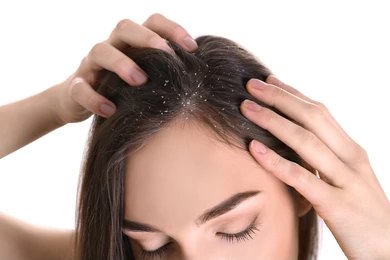
How to Control Dandruff?
Controlling dandruff is the key to reducing hair fall associated with it. When your scalp becomes healthy and free from flakes and irritation, hair roots become stronger and shedding reduces. A combination of proper scalp care, suitable treatments, and a healthy lifestyle can help you manage dandruff effectively and improve overall hair health.
Use Anti-Dandruff Shampoo Regularly
Using a medicated anti-dandruff shampoo is one of the most effective ways to control flakes and scalp irritation. Ingredients like ketoconazole, zinc pyrithione, or salicylic acid help reduce fungal growth, remove buildup, and keep the scalp clean. Regular use as advised can significantly improve scalp condition and reduce hair fall caused by dandruff.
Avoid Scratching the Scalp
Scratching your scalp may provide temporary relief from itching, but it can damage hair roots and worsen hair fall. Continuous scratching can also lead to small injuries or infections on the scalp. It is important to keep the scalp calm by using soothing treatments and avoiding the urge to scratch frequently.
Maintain Proper Scalp Hygiene
Keeping your scalp clean is essential for preventing dandruff buildup. Regular hair washing helps remove oil, dirt, sweat, and dead skin cells that can contribute to dandruff. A clean scalp creates a healthy environment for hair follicles, supporting stronger and healthier hair growth over time.
Follow a Healthy Hair Care Routine
Avoid excessive use of heat styling tools, chemical treatments, or harsh hair products that can irritate your scalp. Opt for gentle shampoos and conditioners that suit your scalp type. A consistent and mild hair care routine helps maintain scalp balance and reduces the risk of dandruff-related hair fall.
Maintain a Balanced Diet
Your diet plays an important role in scalp and hair health. Nutrients like protein, iron, zinc, omega-3 fatty acids, and vitamins help strengthen hair roots and support healthy growth. A poor diet can weaken your scalp and make it more prone to dandruff. Including nutritious foods in your daily routine can improve both scalp condition and hair quality.
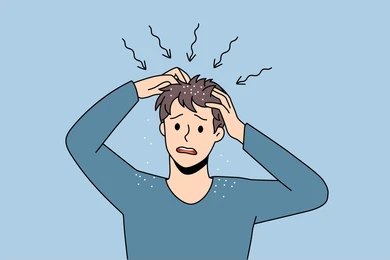
Dandruff can be effectively managed with advanced treatments offered at aesthetic clinics. These treatments focus on deep scalp cleansing, controlling flakes, and restoring overall scalp health for long-term relief.
Medicated Scalp Therapy
This treatment involves applying clinically approved medicated solutions directly to the scalp to control fungal growth and reduce dandruff. It helps soothe irritation, remove flakes, and restore scalp balance under expert supervision.
Chemical Scalp Peel
A chemical peel for the scalp helps exfoliate dead skin cells, remove buildup, and unclog hair follicles. It improves scalp health, reduces flaking, and promotes a cleaner environment for healthy hair growth.
Laser Scalp Treatment
Low-level laser therapy (LLLT) helps reduce inflammation and improve blood circulation in the scalp. It supports healthier follicles, reduces dandruff-related irritation, and enhances overall scalp condition.
HydraFacial for Scalp
This advanced treatment deeply cleanses, exfoliates, and hydrates the scalp. It removes excess oil, dirt, and dandruff flakes while nourishing the scalp, making it healthier and less prone to recurrence
You may confuse between dry scalp and dandruff because both cause flakes on your scalp. However, the reasons behind these conditions are different. Understanding the difference can help you choose the right care routine for your scalp and hair.
| Factor | Dry Scalp | Dandruff |
| Main Cause | Happens when your scalp lacks natural moisture and becomes dehydrated. Environmental factors like cold weather or excessive washing can make your scalp dry and flaky. | Usually occurs due to excess oil production and the presence of scalp fungus, which leads to faster shedding of scalp skin cells. |
| Type of Flakes | Flakes are usually very small, light and dry. They often fall easily from your scalp and may appear powdery. | Flakes are larger, thicker and sometimes oily. They may stick to your scalp or hair strands. |
| Scalp Condition | Your scalp often feels tight, rough or slightly irritated because of dryness. | Your scalp may appear greasy, red or inflamed, often accompanied by persistent itching. |
| Hair Appearance | Hair may look dull and dry because your scalp lacks moisture. | Hair can appear oily or greasy due to excess sebum production. |
| Care Approach | Usually improves with moisturizing scalp care, mild shampoos and proper hydration. | Requires targeted anti-dandruff treatments that help control fungal growth and scalp irritation. |
If you are struggling with dandruff and hair fall, a few simple home remedies can help improve your scalp condition. Natural ingredients may help soothe irritation, control flakes, and support stronger hair roots when used regularly as part of your hair care routine.
- Apple Cider Vinegar Rinse: You can dilute apple cider vinegar with water and rinse your scalp after shampooing. This helps remove excess buildup, refresh your scalp and maintain a balanced scalp environment that may reduce dandruff over time.
- Fenugreek Seeds Paste: You can soak fenugreek seeds overnight and grind them into a smooth paste. Applying this paste to your scalp may help nourish your hair roots and support healthier scalp conditions.
- Neem Water Rinse: Neem leaves are known for their natural cleansing properties. You can boil neem leaves in water, let it cool and rinse your scalp with it to help keep your scalp fresh and reduce dandruff.
- Yogurt Scalp Mask: Applying plain yogurt to your scalp can help soothe dryness and improve scalp moisture. Leaving it on for a short time before washing your hair may help keep your scalp softer and more comfortable.
- Tea Tree Oil Application: You can mix a few drops of tea tree oil with your regular shampoo or carrier oil. Its natural cleansing properties may help maintain scalp freshness and support a healthier scalp environment.
Preventing dandruff requires consistent scalp care and healthy lifestyle habits. When you take simple steps to protect your scalp, it helps control flakes, reduces irritation and supports stronger hair roots, lowering the chances of dandruff-related hair fall.
- Keep Your Scalp Balanced: Your scalp naturally produces oil to protect the skin. However, too much oil or extreme dryness can trigger dandruff. Maintaining a balanced scalp environment through proper hair care helps reduce flaking and keeps your scalp healthier over time.
- Limit Heat Styling Tools: Frequent use of hair dryers, straighteners or curling tools can dry out your scalp and irritate the skin. Excessive heat may weaken your scalp barrier, making it more prone to dandruff and discomfort.
- Choose the Right Hair Care Products: Using shampoos and conditioners that suit your scalp type can help prevent dandruff. Products designed for scalp care can reduce buildup and maintain a healthier scalp environment, which supports stronger hair growth.
- Protect Your Scalp from Pollution: Dust, pollution and environmental particles can settle on your scalp and contribute to irritation and flaking. Covering your hair when exposed to heavy pollution and cleansing your scalp properly can help reduce these effects.
- Maintain Overall Scalp Health: Regular scalp massages and gentle hair care routines improve blood circulation and help maintain scalp health. A well-nourished scalp creates a better environment for hair follicles, supporting healthier and stronger hair growth.
If you have ever wondered can dandruff cause hair fall, the answer is yes in some situations. With my clinical experience i can give answer of most ask question that can dandruff cause hair fall? and its “Yes”. But with early treatment, proper scalp care and consistent anti-dandruff measures usually reverse this, supporting healthier, stronger hair growth .
In many cases, patients visit the clinic worried about sudden hair fall and after examining your scalp, we often find untreated dandruff as one of the contributing factors. When your scalp remains inflamed and itchy for a long time, it creates an unhealthy environment for hair growth.
The positive side is that hair fall due to dandruff is usually reversible when your scalp condition is treated properly. With the right anti-dandruff treatments, improved scalp hygiene and consistent hair care.
From my experience, early treatment always gives better results. When you take care of your scalp health and address dandruff at the right time, it becomes much easier to control hair fall and support healthier, stronger hair growth.
-
What is dandruff treatment options?
There are several treatment options available depending on the severity of the condition. Common treatments include medicated anti-dandruff shampoos, topical scalp treatments, proper scalp hygiene and professional scalp therapies that help reduce flakes and restore scalp balance.
-
What is the connection between dandruff and hair loss?
The connection between dandruff and hair loss is usually related to scalp irritation. Persistent flakes, itching and inflammation may weaken hair roots and increase temporary hair shedding. Treating dandruff early often helps restore a healthier scalp environment.
-
How to stop hair fall caused by dandruff?
If you want to stop your hair falls the first step is controlling scalp flakes and irritation. Using medicated shampoos, maintaining scalp cleanliness and avoiding excessive scratching can help reduce dandruff and support healthier hair growth.
-
How to prevent hair fall from dandruff?
Prevent hair fall from dandruff you need to focus on maintaining scalp hygiene, using suitable anti-dandruff shampoos, avoiding harsh hair products and keeping your scalp balanced to prevent irritation and flake buildup.
-
What is flaky scalp treatment?
Its treatment depends on the cause of flakes. Mild cases may improve with regular scalp cleansing and moisturizing, while persistent flakes may require medicated shampoos or recommended treatments to restore scalp balance.
-
Can seborrheic dermatitis hair loss happen?
Yes, seborrheic dermatitis hair loss can occur when severe dandruff causes inflammation and irritation on your scalp. Although the hair loss is usually temporary, treating your scalp condition early can help restore healthy hair growth.
-
Can Dandruff Cause Hair Fall?
Yes, dandruff can cause hair fall in some cases. While it doesn’t directly damage hair follicles, the irritation, itching and scalp imbalance it creates can weaken hair roots, leading to temporary shedding and thinner hair over time.