Noticing dark spots or uneven skin tone on your skin that just won’t fade no matter what you try? Hyperpigmentation has become one of the most common skin concerns in India. Its affecting both men and women especially if you’re between the ages of 20 and 45.
Dermatology clinic data from major Indian cities shows that pigmentation-related issues like melasma, acne marks, and sun spots make up nearly 30-40% of outpatient skin consultations. With rising pollution, strong UV exposure, hormonal fluctuations, and increased screen time, cases have steadily increased over the past few years.
In fact studies suggest that 1 in 3 Indian adults experiences some form of pigmentation at some point. These dark patches can deeply impact your confidence and overall appearance. If you’re suffering with this, then chemical peel treatment for hyperpigmentation best solution for you. Its dermatologist-recommended solutions for clearer, brighter, and more even-toned skin.
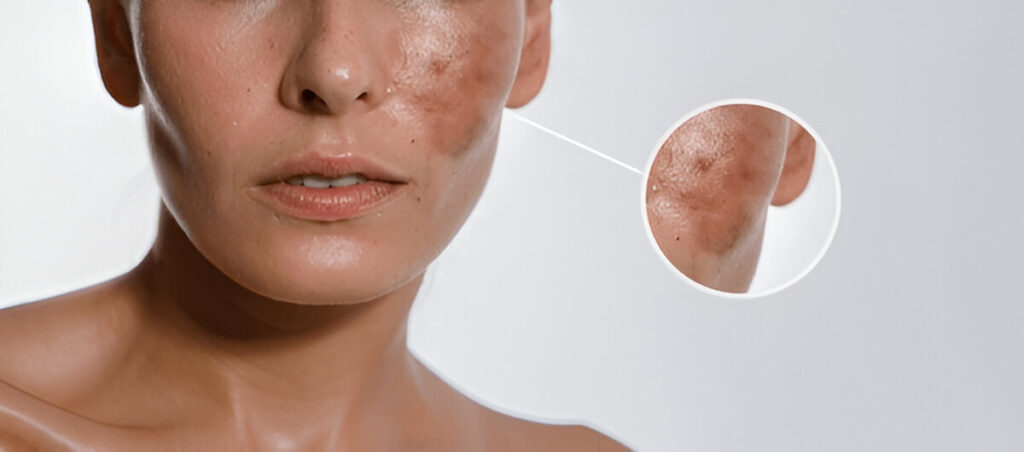
Hyperpigmentation is a skin condition where certain areas of your skin become darker than the surrounding skin due to excess melanin (the pigment that gives skin its colour). It can appear on your face, neck, hands, back, or any other part of your body.
There are different types of hyperpigmentation like post- inflammatory hyperpigmentation (PIH), which happens after pimples or skin injuries heal, and melasma, which is often linked to hormonal changes. Freckles and age spots are also forms of pigmentation caused by sun exposure or ageing.
Hyperpigmentation is not harmful or painful but this can make your skin look dull or patchy. If you had hyperpigmentation anywhere you feel underconfident between you friends or party. In some cases its fade on their own, while others need proper treatment.
Chemical peel treatment is a skin procedure where a safe chemical solution is applied to remove the top damaged layer of your skin. This helps in getting rid of dead skin cells and reduces excess melanin-the pigment responsible for dark spots.
It is especially helpful in treating common pigmentation concerns like acne marks, melasma, sun tan, and uneven skin tone. The treatment works by speeding up skin cell turnover, which fades dark patches over time and brings out fresh, brighter skin.
Peels like glycolic acid, salicylic acid, lactic acid, or TCA are used based on your skin type and the depth of pigmentation.This procedure is generally done in sessions and is suitable for most Indian skin tones when performed by a trained dermatologist.
It is non-surgical and involves very little downtime. With proper aftercare and regular sittings, chemical peel treatments can show visible improvements in pigmentation and overall skin texture, helping you regain your natural glow and confidence.
Get Clearer Skin Today!
Book your consultation for chemical peel treatment and say goodbye to Hyperpigmentation
Taking care of your skin after a chemical peel is very important. Since your skin becomes sensitive after the procedure, proper aftercare helps avoid side effects and gives better results.
- Avoid direct sun exposure for at least 1 week. Always use a broad-spectrum sunscreen (SPF 30 or above).
- Do not pick or scratch the peeling skin. Let it fall off naturally.
- Use gentle, non-active skincare like hydrating moisturisers and soothing cleansers.
- Avoid makeup, exfoliants, or strong products like retinol or vitamin C for 5-7 days.
- Drink enough water and keep your skin hydrated.
- Follow all instructions given by your skin expert – including when to return for the next session.
Temporary redness, dryness, or mild peeling is normal after the treatment. If you notice swelling, burning, or rash, contact your clinic immediately.
With proper care, chemical peel treatments give glowing, even-toned, and visibly improved skin in just a few weeks.
Different types of chemical peels work well for reducing hyperpigmentation, depending on how deep the pigmentation is and your skin type. For Indian skin, mild to medium-depth peels are generally considered safe and effective.
Some of the most commonly used peels include:
- Glycolic Acid Peel -This is an AHA (alpha hydroxy acid) that removes dead skin and lightens dark spots. It’s good for dull skin, sun tan, and early signs of melasma.
- Salicylic Acid Peel -This BHA (beta hydroxy acid) is ideal if you have oily and acne-prone skin. It clears pores, reduces post-acne marks, and helps with uneven tone.
- Lactic Acid Peel – A gentle peel suitable for sensitive or dry skin. It helps brighten your skin and fade pigmentation slowly.
- Mandelic Acid Peel – Great for beginners or those with sensitive skin. Works well on mild pigmentation without causing much irritation.
- TCA Peel (Trichloroacetic Acid) – Used for deeper pigmentation, acne scars, and melasma. It must be done only under expert supervision.
- Kojic Acid, Arbutin, and Vitamin C – These are often added to peels or used post-peel to further reduce melanin and improve results.
Always consult a certified dermatologist to choose the right peel, as using the wrong one can worsen pigmentation or damage your skin.
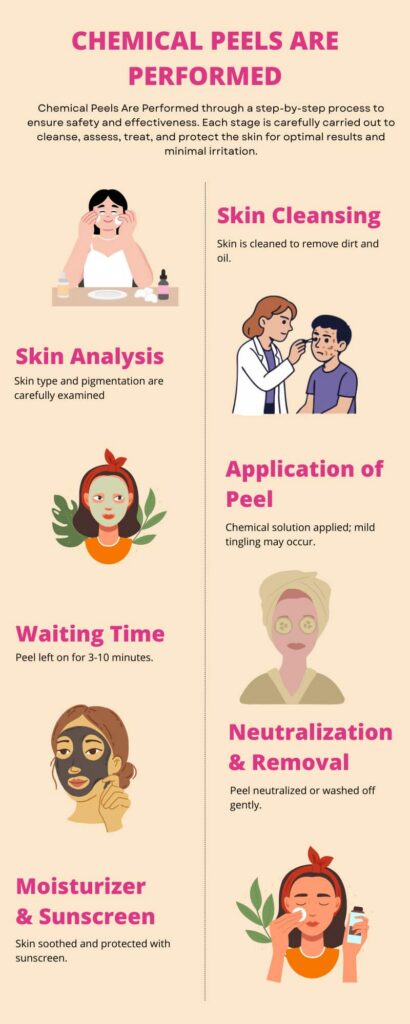
Chemical peel treatment is a quick, safe, and clinic-based procedure done by a dermatologist or skin expert. It usually takes 20 to 30 minutes and involves the following steps:
- Skin Cleansing – First, your face is cleaned to remove dirt, oil, or makeup. This helps the peel to work better on clean skin.
- Skin Analysis – The doctor checks your skin type and pigmentation level to choose the right type of peel and strength.
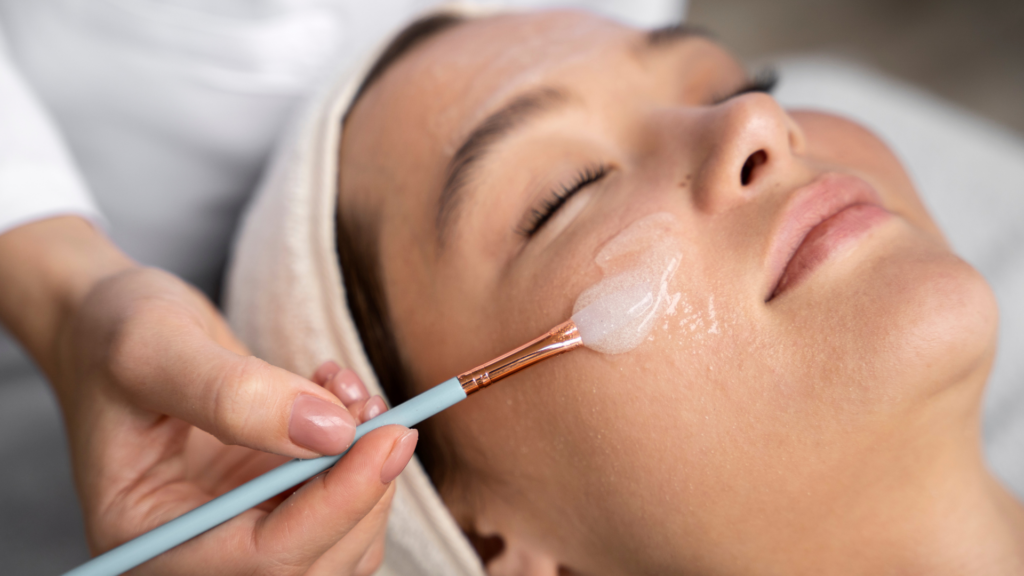
- Application of Peel – A specific chemical solution (like glycolic, lactic, or salicylic acid) is gently applied on the targeted area. You may feel a mild tingling or warm sensation for a few minutes on your skin.
- Waiting Time – The peel is left on your skin for a few minutes, depending on the depth required-usually between 3 to 10 minutes.
- Neutralization & Removal – The peel is then neutralized with a special solution or washed off with cool water.
- Moisturizer & Sunscreen – A calming moisturizer and broad-spectrum sunscreen are applied to soothe and protect your skin.
After the session your skin may feel a little dry or tight. Mild redness or peeling is common and usually goes away in a few days. You may need 4-6 sessions for best results.
Hyperpigmentation can be stubborn, but with the right approach and consistency, it can be treated effectively. While there is no magic one-time fix, its combination of medical treatments with proper skincare can give you long-term, even permanent results for many people.
– Dermatologist Treatments
Treatments like chemical peels, laser therapy, and microneedling are among the best professional options. These work by removing the damaged top skin layers, breaking down melanin clusters, and boosting collagen for clearer skin.
– Topical Creams and Serums
Ingredients like kojic acid, vitamin C, retinoids, niacinamide, and azelaic acid help reduce melanin production. Use dermatologist-recommended products consistently for at least 8-12 weeks to see visible results.
– Sun Protection
Sunscreen is a must. Without proper sun protection, pigmentation will come back even after treatments. Use a broad-spectrum SPF 30 or more, even indoors.
– Healthy Lifestyle & Skincare Habits
Stay hydrated, eat antioxidant-rich food (like fruits, nuts, and leafy greens), and avoid harsh skincare products on your skin. Always remove makeup before sleeping.
Yes, chemical peels can be very good for your skin when done correctly and under professional supervision. They work by removing the top layer of dead and damaged skin cells, which helps improve skin texture, reduce pigmentation, fade acne marks, and give a brighter, more even tone.
For people dealing with concerns like hyperpigmentation, sun tan, dullness, or mild acne scars, chemical peels can significantly improve overall skin appearance. Mild peels like glycolic, lactic, or mandelic acid are generally safe for most Indian skin types when customized properly.
However, chemical peels are not suitable for everyone. People with very sensitive skin, active infections, open wounds, or certain medical conditions should consult a dermatologist before considering the treatment. Overuse or doing peels without expert guidance can cause irritation or worsen pigmentation.
When chosen correctly and combined with proper aftercare (especially sunscreen), chemical peels are a safe and effective way to achieve smoother, clearer, and healthier-looking skin.
You may hesitate to try chemical peel treatments because of common myths and fear of your skin damage. However, clinical reports from urban Indian skin clinics suggest that over 70% of patients undergoing supervised chemical peels experience noticeable improvement in pigmentation and your skin texture within a few sessions.
When performed by a qualified skin professional chemical peels are considered safe and effective for treating pigmentation, improving skin texture, and improve overall glow-especially for Indian skin types.
– Here are some common myths and the truth behind them:
| Title | Myth | Reality |
| Peels Damage the Skin | Chemical peels burn or damage your skin | Peels are safe and only cause mild tingling when done by trained experts. |
| Only Fair Skin Can Try Peels | Only fair-skinned people can go for chemical peels | Peels like glycolic or lactic acid are safe for Indian and darker skin too. |
| Instant Results Expected | One session gives full results | Usually 4-6 sessions are needed for best and visible improvements. |
| Skin Becomes Thin | Chemical peels make your skin thin | They remove only the top damaged layer and promote healthy skin renewal. |
| No Going Out After Peel | You can’t step out after getting a chemical peel | With sunscreen and gentle care, daily routine can be continued easily. |
| Peel Equals Facial | Chemical peels and facials are the same thing | Peels are medical treatments for deeper skin issues, unlike basic facials. |
While chemical peels are highly effective, they may not suit everyone due to sensitive skin, budget, or personal choice. Fortunately, there are other safe and dermatologist-recommended options to treat hyperpigmentation:
– Topical Creams and Serums
- Ingredients like kojic acid, niacinamide, azelaic acid, glycolic acid, and vitamin C help lighten dark spots gradually.
- These are widely available, affordable, and suitable for mild pigmentation.
– Laser Treatments
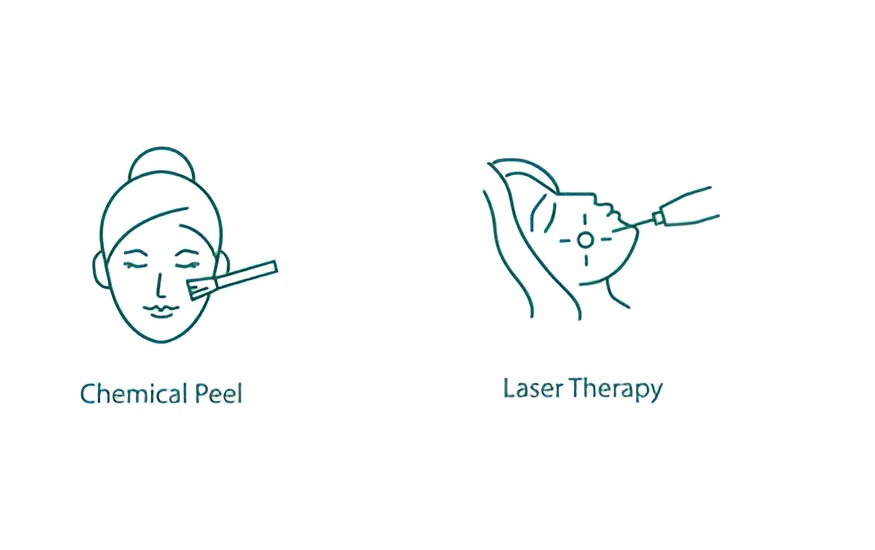
- Laser therapy (like Q-switch for Pigmentation or fractional lasers) targets deeper pigmentation, melasma, and sun spots.
- Offers faster results but is more expensive than peels.
– Microneedling with Serums
- Boosts collagen production and improves skin tone by allowing better serum absorption.
- Often used for acne scars and melasma.
– Hydrafacial with Brightening Boosters
- A non-invasive treatment that exfoliates and hydrates while using serums that target pigmentation.
- HydraFacial for Pigmentation is great option for people who want no downtime.
– Home Remedies (Mild Cases Only)
- Natural ingredients like aloe vera, licorice extract, or turmeric may offer mild lightening effects, though results take longer and are not always reliable.
Each treatment works differently, so it’s best to consult a skin expert to choose what suits your skin type and condition.
Both chemical peels and laser treatments are popular solutions for pigmentation problems like dark spots and melasma. While they work differently, each has its own benefits depending on your skin type, pigmentation depth, and budget. Here’s a simple comparison to help you choose wisely:
| Aspect | Chemical Peel | Laser Treatment |
| Treatment Depth | Works on top skin layers | Targets deeper layers of the skin |
| Suitable For | Mild pigmentation, sun tan, acne marks | Deep pigmentation, melasma, age spots |
| Skin Type Safety | Safe for most Indian skin types | May require caution for darker skin tones |
| Sessions Required | 4-6 sessions | 2-4 sessions |
| Downtime | 2-5 days (mild peeling, dryness) | 5-7 days (redness, flaking possible) |
| Results Timeline | Gradual improvement | Faster, noticeable changes |
| Cost | Budget-friendly | Costlier due to advanced equipment |
| Side Effects | Temporary redness or sensitivity | Risk of burns, post-inflammatory pigmentation if mishandled |
Hyperpigmentation can be frustrating especially when dark spots, melasma, or acne marks refuse to fade despite using multiple products & home remedies. Chemical peel treatment for hyperpigmentation offers a safe, effective solution to target excess melanin and improve your overall skin tone. By gently removing the damaged top layer of your skin chemical peels promote fresh cell renewal, resulting in brighter, smoother, and more even-looking skin.
When customized according to your skin type and pigmentation depth, peels like glycolic, salicylic, lactic, or TCA can deliver visible improvements within a few sessions. However, consistency, proper aftercare, and daily sun protection are essential to maintain long-lasting results.
If pigmentation is affecting your confidence consulting a qualified skin expert can help you choose the right peel and treatment plan. With the correct approach and professional guidance, achieving clearer and healthier-looking skin is absolutely possible results.
How does chemical peeling work on hyperpigmentation?
Chemical peeling removes the top damaged skin layer where extra melanin is stored. This helps fade dark spots and uneven skin tone, making your skin look clearer and brighter over time.
How many sessions are needed for visible results?
Usually, 4 to 6 sessions are needed to see clear results. The number depends on your skin type, pigmentation depth, and the type of peel used by your dermatologist.
Does chemical peeling remove dark spots?
Yes, chemical peels can help remove dark spots, acne marks, and sun tan by targeting melanin buildup in your skin. Regular sessions give better and long-lasting results.
How to remove pigmentation from face permanently for men?
Men can remove facial pigmentation permanently through treatments like chemical peels, laser therapy, and microneedling. Alongside, use sunscreen, retinol or vitamin C serums, and exfoliate regularly for best results.
How to remove pigmentation from face permanently at home?
To remove pigmentation permanently at home, use natural remedies like aloe vera, turmeric, lemon juice, and sunscreen daily. Consistent exfoliation and hydration also help in fading dark spots over time.
Does chemical peel have side effects?
Mild redness, dryness, or peeling is common after a peel. These are temporary and improve in a few days. Serious side effects are rare if done by a skin expert.
What is Chemical Peel Treatment For Hyperpigmentation?
This treatment is a professional skin procedure in which a specially formulated chemical solution is applied to remove the top damaged layer of skin and reduce excess melanin. It helps fade dark spots, melasma, acne marks, and uneven skin tone over time.